
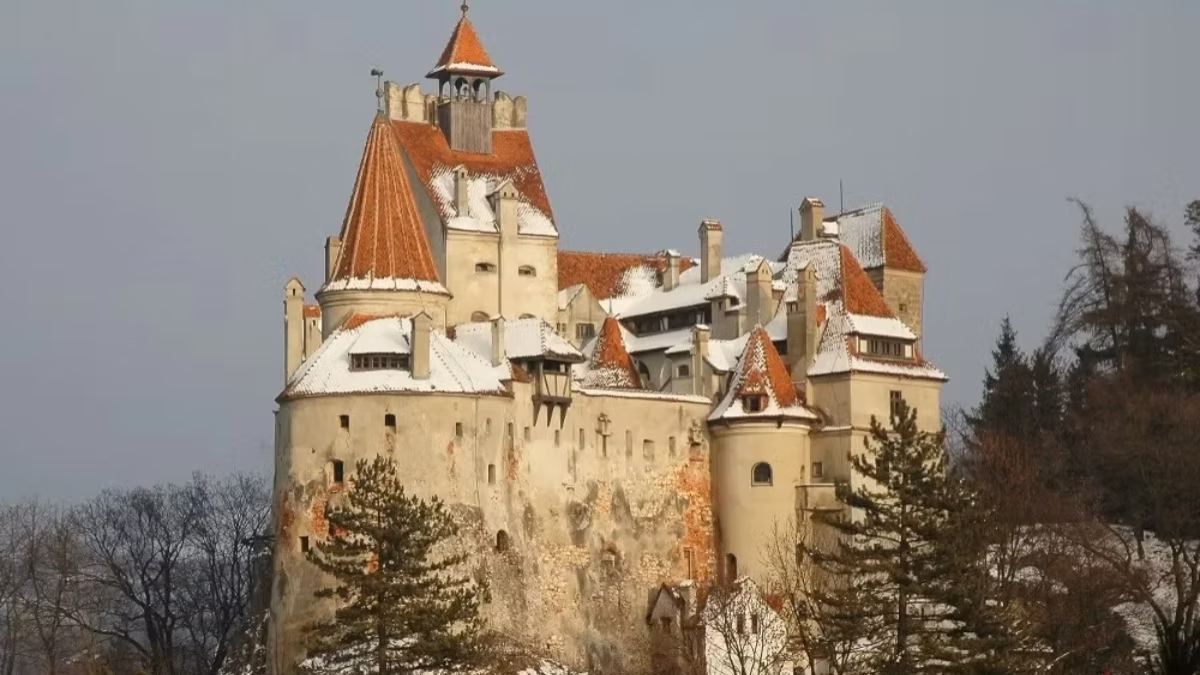
Bran Castle Weather
Month-by-Month Guide to Climate & Conditions
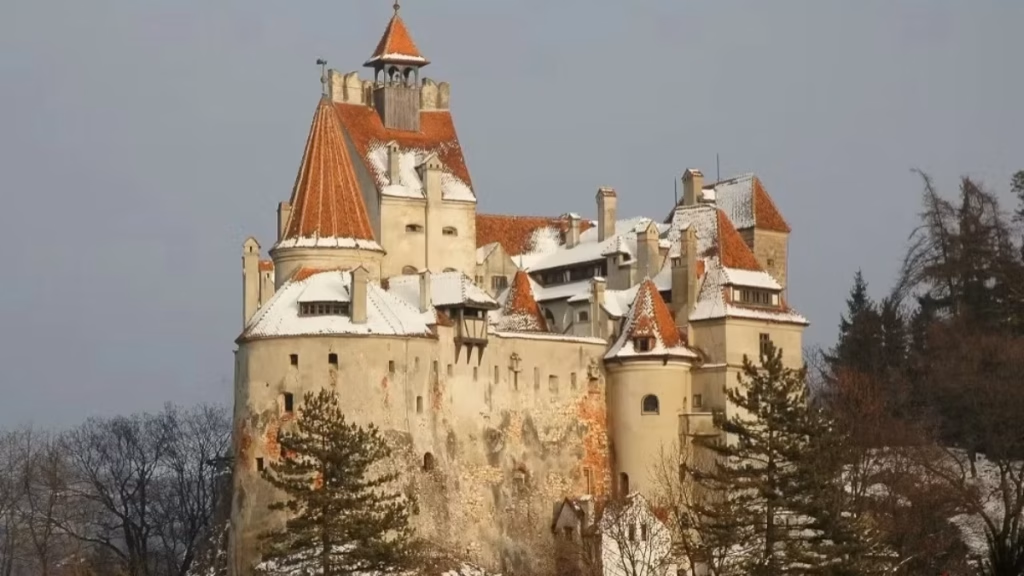
Bran Castle sits at 762 metres elevation in the Carpathian Mountains, giving it a distinctly cooler and more changeable climate than Bucharest or even Brașov. Summer highs reach around 22–23°C with afternoon thunderstorms common in June and July. Winters are cold and snowy, with January averages near 0°C and nights regularly below freezing. The most comfortable visiting months are May, June, September, and October.
The weather at Bran Castle deserves its own guide. Sitting at 762 metres above sea level in the Carpathian Mountains, the castle experiences a genuinely mountain climate — cooler, wetter, and more changeable than the lowlands. A summer day that is 30°C in Bucharest might be 22°C at Bran, with afternoon thunderstorms rolling in from the mountains. A crisp October day perfect for gothic castle photography may turn into a cold, wet evening faster than any forecast suggests.
Understanding Bran’s climate is not just practical for packing purposes — it shapes which season offers the kind of experience you want. This month-by-month guide covers what to expect at every point in the year and how to plan around it.
Bran Castle Climate Overview
Bran Castle has a humid continental mountain climate (Köppen Dfb): cold, snowy winters; warm but not hot summers; significant rainfall year-round. Annual average temperature is around 6°C. Peak summer temperatures reach 22–23°C in July and August; January averages near 0°C with nights below -8°C. Annual precipitation is approximately 1,000–1,020 mm, with the wettest months being May, June, and July.
Bran’s climate is classified as humid continental (Köppen Dfb) — the same classification as parts of the Alps and the Bavarian highlands. Summers are comfortable but not hot; winters are genuinely cold and snowy. Rain is a year-round feature, with the wettest months (May–July) receiving over 100mm of precipitation each.
The mountain elevation means temperatures at Bran are typically 4–6°C cooler than in Brașov (25km away at lower altitude) and noticeably cooler than Bucharest (180km to the south). Visitors travelling from warmer destinations should plan for this temperature differential, even in summer.
Month-by-Month Weather Guide
January — Cold, Snowy, Very Quiet
January is the coldest month at Bran. Daytime temperatures hover around 0°C, with nights frequently dropping to -7°C or below. Snowfall is common and the castle grounds can be icy. The castle is dramatically beautiful under snow, and visitor numbers are at their lowest — but it requires proper winter gear and careful footwear on slippery paths.
- Avg. high: 0°C | Avg. low: -8°C
- Precipitation: Approximately 45mm; mostly snow
- Sunshine hours: Around 4–5 hours per day
- Crowds: Very low — the least busy month of the year
- What to wear: Full winter gear: thermal underlayers, heavy coat, hat, gloves, scarf, waterproof boots with grip
February — Still Cold, Slightly Brighter
February remains cold but temperatures begin to inch upward from January’s lows. Snow is still present and the paths can be icy, but the days are slightly longer. February is a good month for photographers seeking dramatic, low-crowd images of the castle.
- Avg. high: 2–3°C | Avg. low: -7°C
- Precipitation: Approximately 50mm; mix of snow and rain
- Crowds: Very low
- What to wear: Heavy winter layers; waterproof grip boots essential
March — Winter Giving Way to Spring
March is a transitional month. Temperatures range from around -4°C at night to 8°C during the day, with snow possible early in the month and increasingly mild conditions by late March. The surrounding landscape transitions from winter white to early green, which makes for striking castle photography.
- Avg. high: 7–8°C | Avg. low: -3°C
- Precipitation: Approximately 60mm; mix of rain and snow
- Crowds: Low — still quiet season
- What to wear: Winter to spring transition: warm coat, waterproof layers, grip footwear
April — Spring Arrives
April brings genuine spring conditions to Bran. Temperatures reach 13–15°C during the day, though nights remain cool (around 2–5°C). The surrounding Carpathian forest turns green and the castle’s gardens begin to bloom. April sees increased visitor numbers compared to winter but remains uncrowded relative to summer.
- Avg. high: 13–15°C | Avg. low: 2–5°C
- Precipitation: Approximately 70–80mm; mostly rain
- Crowds: Low to moderate — shoulder season begins
- What to wear: Light to medium layers; waterproof jacket; trainers or light walking shoes
May — Best for Photography, Heaviest Rainfall
May is one of the most beautiful months visually — the castle against lush spring green, with wildflowers in the surrounding countryside. However, it is also the rainiest month, with precipitation often exceeding 150mm and approximately 18 rainy days. Afternoon thunderstorms are common. Visitor numbers begin to climb significantly from mid-May onward.
- Avg. high: 17–18°C | Avg. low: 6–7°C
- Precipitation: Approximately 150–170mm; the wettest month
- Crowds: Moderate and rising
- What to wear: Light layers plus a reliable waterproof jacket; prepare for rain on any given day
June — Warm and Atmospheric, Thunderstorms Likely
June is warm and long-daylit, with temperatures reaching 20–21°C, but afternoon thunderstorms are a near-daily feature in the Carpathians. The castle grounds are at their lushest. Visitor numbers are high, particularly from mid-June onward as school holidays begin across Europe.
- Avg. high: 21°C | Avg. low: 10–11°C
- Precipitation: Approximately 120–140mm
- Crowds: High — book tickets in advance
- What to wear: Breathable layers; a compact rain jacket; trainers or light walking shoes
July — Peak Season, Warmest Month
July is the warmest month at Bran, with daytime temperatures typically reaching 22–24°C. It is also the peak of the tourist season, with the highest visitor numbers of the year. The castle can feel crowded, particularly in the narrower staircases. Afternoon thunderstorms remain frequent. July also offers the most sunshine hours (averaging just over 10 hours per day).
- Avg. high: 23–24°C | Avg. low: 12°C
- Precipitation: Approximately 80–100mm; afternoon thunderstorms
- Crowds: Peak season — book well in advance, arrive at opening
- What to wear: Light, breathable clothing; compact rain layer; sunscreen for approach path and courtyard
August — Still Peak Season, Slightly Drier
August is almost identical to July in terms of visitor numbers and warmth, but slightly drier. Evenings begin to cool earlier in August, which can make for pleasant outdoor conditions after a warm afternoon in the castle.
- Avg. high: 22–23°C | Avg. low: 12–13°C
- Precipitation: Approximately 85–105mm
- Crowds: Peak season — as busy as July
- What to wear: Light layers for the day; a light jumper for cooler evenings
September — The Sweet Spot
September is arguably the best month to visit Bran Castle. Temperatures are pleasant (18–20°C), the summer crowds have significantly reduced, the surrounding landscape retains its green but begins to hint at autumn colour, and afternoon thunderstorms become less frequent. Visitor numbers drop markedly from August levels while conditions remain comfortable. Book in advance for weekends but mid-week visits are manageable as walk-ups.
- Avg. high: 18–20°C | Avg. low: 8–10°C
- Precipitation: Approximately 60–80mm; the driest month alongside October
- Crowds: Moderate — noticeably less busy than July/August
- What to wear: Light layers plus a jacket for evenings; trainers suitable
October — Gothic Atmosphere at its Peak
October transforms Bran Castle into something almost cinematic. The autumn foliage — gold, amber, and rust — surrounds the white castle walls. Temperatures cool to 10–15°C during the day, with evenings dropping to 3–8°C. Mist often hangs in the Bran Gorge below. Halloween season brings special events and, with them, significantly increased visitor numbers. Book well in advance for any October visit.
- Avg. high: 12–15°C | Avg. low: 3–6°C
- Precipitation: Approximately 45–60mm; October is among the drier months
- Crowds: Moderate to high (Halloween events push numbers up significantly in late October)
- What to wear: Warm mid-layers; a proper jacket; comfortable boots; rain layer for evenings
November — Quiet Season, First Frosts
November marks the return to quiet season. Temperatures drop to 3–7°C during the day, with nights regularly below freezing from mid-November onward. The first significant snowfall of the season can occur in November. Visitor numbers drop sharply, making it one of the most peaceful months for a castle visit.
- Avg. high: 5–7°C | Avg. low: -1 to -3°C
- Precipitation: Approximately 55mm; mix of rain and early snow
- Crowds: Low
- What to wear: Winter clothing: warm coat, layers, grip footwear
December — Festive and Atmospheric
December at Bran Castle can be magical — early snowfall, the castle lit against winter skies, and very few tourists. The Medieval Christmas atmosphere in Bran village adds to the experience. However, the cold is real (temperatures around 0°C during the day, significantly colder at night) and waterproof grip boots are essential.
- Avg. high: 1–3°C | Avg. low: -5 to -7°C
- Precipitation: Approximately 50mm; snow likely
- Crowds: Very low — except around Christmas events
- What to wear: Full winter gear: heavy coat, thermal layers, waterproof grip boots, hat and gloves
Best and Worst Times to Visit by Weather
Best months for comfortable weather
September and early October offer the best combination of comfortable temperatures, manageable crowds, and dramatic scenery. May and June are beautiful but wetter; July and August are warm but busy and prone to afternoon storms.
Best months for photography
October for autumn colour and gothic atmosphere; January and February for snow-covered dramatic images; May for the lush spring green. Each season offers a different visual character — the castle looks spectacular in all of them.
Most challenging months for visitors
January and February require genuine winter preparation and care on icy paths. Mid-July and mid-August are the most crowded and can feel uncomfortable in the narrow interior sections of the castle.
Packing by Season
- Spring (Mar–May): Waterproof jacket, light-to-medium layers, grip walking shoes or waterproof boots
- Summer (Jun–Aug): Breathable clothing, compact rain layer, sunscreen, trainers
- Autumn (Sep–Nov): Warm mid-layers, jacket, waterproof boots from October
- Winter (Dec–Feb): Thermal underlayers, heavy coat, waterproof grip boots, hat and gloves
Frequently Asked Questions
What is the weather like at Bran Castle in summer?
Summer (June–August) brings temperatures of 21–24°C during the day, with cool evenings around 11–13°C. Afternoon thunderstorms are frequent, particularly in June and July. It is warm enough for light clothing but a compact waterproof layer is always recommended.
Does it snow at Bran Castle?
Yes. Bran Castle receives significant snowfall in winter. Snow is likely from December through February and sometimes extends into March. The castle under snow is dramatically beautiful, but the approach paths and steps can be icy — waterproof boots with grip soles are essential.
What is the weather like at Bran Castle in October?
October is one of the most atmospheric months at Bran Castle. Daytime temperatures range from 10–15°C, with evenings dropping to 3–8°C. Rainfall is relatively low compared to summer. The autumn foliage surrounding the castle is spectacular. Pack warm layers, a jacket, and comfortable boots for October visits.
Is Bran Castle cold inside?
The stone interiors of Bran Castle maintain a relatively cool temperature year-round. In summer, this is a pleasant relief from outdoor warmth. In winter and during shoulder seasons, the interior can feel distinctly cold — particularly on the upper floors and outdoor terraces. A jacket or warm layer is recommended inside the castle even in summer.
What is the best month to visit Bran Castle for good weather?
September offers the best balance of pleasant temperatures (18–20°C), lower crowd levels, relatively low rainfall, and beautiful autumn scenery. Early October is similarly appealing with more dramatic atmosphere. May and June are beautiful but wetter; July and August are warm but the busiest of the year.
